
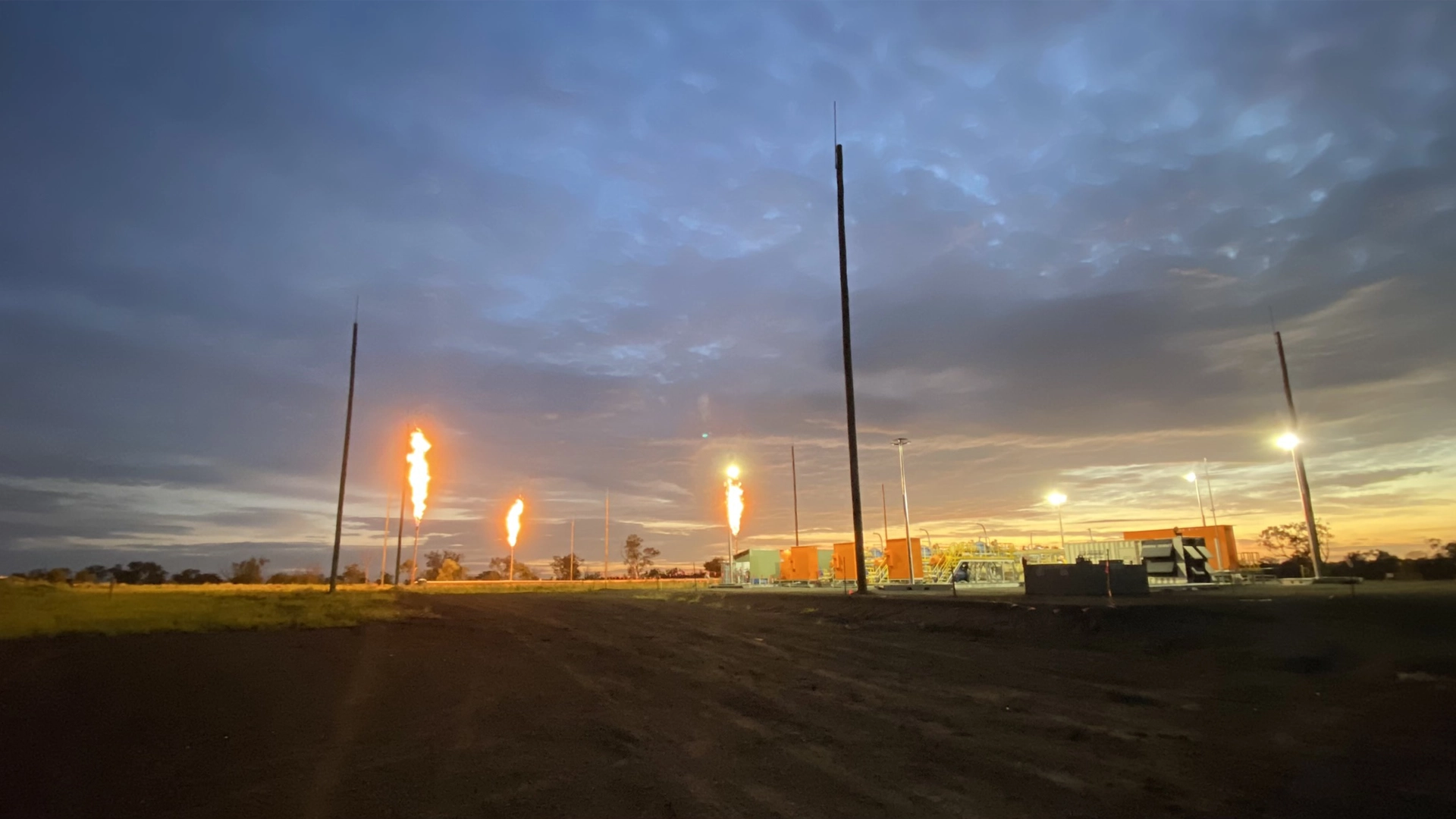
Australia’s energy and resources sector is undergoing one of the most significant shifts in its history.
The drive towards a cleaner, low-carbon economy and legislated target of net zero greenhouse gas emissions by 2050 (as part of the Paris Agreement) has positioned transitional energy a national priority.
The Australian Government recognises the following steps for decarbonising the economy:
- Driving efficiency across materials and energy use by embedding circular economy principles into resource extraction, processing and end-of-life management to minimise waste and optimise value recovery.
- Decarbonising and expanding the electricity grid through large-scale renewable generation and storage, as well as enabling greater decarbonisation across mining, processing and industrial operations by electrifying activities wherever feasible.
- Transitioning residual activities to alternative fuels and lower carbon solutions, including other viable substitutes for fossil fuels, to reduce reliance on conventional hydrocarbons.
- Accelerating innovation in low and zero emission technologies to broaden deployment options for the sector while driving down costs and improving commercial viability.
- Scaling both nature-based and technological carbon sequestration solutions to offset hard-to-abate emissions and support the sector’s contribution to national and global climate goals.
What is transitional energy?
Transitional energy refers to the bridge between traditional fossil fuels and renewable sources, where gas, emerging technologies and hybrid solutions are key. This transition is complex and requires infrastructure that can support both current energy needs and future innovations.
One of the key enablers of transitional energy is the application of custom EPC (engineering, procurement and construction) solutions. By integrating end-to-end engineering design and fabrication, EPC providers are helping to deliver custom equipment that not only meets the demands of today’s projects but is also adaptable to the energy systems of tomorrow.
The importance of transitional energy
Transitional energy is not about switching off existing fuel sources overnight. It’s about managing a pathway that ensures energy security, affordability and sustainability while new technologies are developed and scaled. In Australia, natural gas continues to play a central role in supporting domestic industries and export markets. At the same time, technologies such as carbon capture, leak detection and repair, and hydrogen continue to be explored as part of global decarbonisation efforts.
For the industry, this means infrastructure and equipment must be designed and built with both present and future use in mind. Operators cannot afford to invest in assets that will quickly become redundant. Instead, they need equipment that is efficient for today’s applications but can be adapted to support emerging energy solutions as market conditions evolve. This is where custom EPC solutions provide significant value.
End-to-end capability in transitional energy projects
Transitional energy projects bring unique challenges that standard, off-the-shelf solutions cannot always meet. Each project involves different technical requirements, site conditions and regulatory frameworks. Custom EPC solutions provide an integrated approach that ensures these variables are addressed from the earliest design stage through to fabrication, construction and commissioning.
The benefits of an end-to-end EPC model for transitional energy projects include:
- Integrated design and fabrication that ensures equipment meets stringent performance and safety standards while allowing for future adaptability.
- Tailored solutions that account for specific operating environments, whether that is remote gas fields, emerging hydrogen projects or industrial processing plants.
- Greater project certainty through streamlined delivery, where engineering, manufacturing and construction are managed under a single provider.
- Lifecycle efficiency with equipment designed for maintainability, ease of upgrades and long-term performance.
This model not only reduces risk but also creates more resilient assets that are aligned with the long-term direction of the energy sector.
Building for now and next
A major advantage of custom designed EPC solutions is their ability to deliver equipment that serves a dual purpose. By considering future operating requirements during the design phase, infrastructure can be built with the flexibility to adapt as technologies, fuels and regulatory requirements evolve. This approach helps ensure assets remain fit for purpose over the long term while reducing the need for costly redesigns or replacements.
As a result, operators can continue to meet current demand while ensuring their infrastructure can be adapted to transitional energy pathways. Instead of facing costly retrofits or full replacements in the future, assets can be adjusted and upgraded more efficiently. This not only lowers total cost of ownership but also supports a sustainable asset lifecycle of existing equipment.
How EPC providers are supporting transitional energy
EPC providers are helping Australia move towards a lower carbon future by designing, building and delivering the infrastructure needed for today’s energy system and tomorrow’s renewable energy projects. They support the transition by:
- Reducing emissions by selecting lower carbon materials, improving resource efficiency, reducing waste and ensuring projects meet sustainability and carbon reduction targets.
- Building capability by investing in skilled people, working with industry and research partners, and using data to make better environmental decisions.
- Supporting communities by creating local jobs, helping regional communities adapt to change, promoting diversity and inclusion, and working respectfully with First Nations communities.
- Strengthening supply chains by sourcing responsibly, improving resilience, meeting Australian and international standards and reducing risks across global supply networks.
- Delivering low-carbon infrastructure by designing and building the renewable energy, battery storage and high voltage infrastructure needed to support Australia’s future energy system.
Through these efforts, EPC providers are delivering more than infrastructure. They are helping build a cleaner, more resilient and more sustainable energy future for Australia.
Risk management through customisation
Transitional energy is not without risk. Uncertainty around regulation, evolving safety standards and changing energy pathways all add complexity. By working with EPC providers that deliver custom solutions, operators and developers can better manage these risks.
Custom EPC design allows for greater alignment with compliance requirements. It also provides more accurate forecasting of maintenance and upgrade needs. Importantly, it helps reduce the risk of assets becoming obsolete by changes in policy or technology. Instead, infrastructure can be adjusted in line with industry shifts.
Our collaborative approach to transitional energy
Energy transition projects are complex, with every decision affecting cost, performance and long-term outcomes.
CS Gas as a custom EPC provider, we work alongside our clients, engineers and project teams early in the planning process, working with you to develop practical equipment solutions that improve efficiency, reduce risk and support long-term project performance.
By collaborating with operators, engineers and fabricators from concept through to delivery, we test and solve challenges early. This reduces project risk and delivers practical, fit-for-purpose solutions that support long-term project outcomes and the life of the asset.
Looking ahead
Australia’s energy future will rely on a practical transition from traditional fuels to renewables. Gas will continue to support reliable energy supply, while hydrogen and other low-carbon technologies adapt and grow. Success will depend on flexible, reliable infrastructure and equipment that can adapt as energy needs change.
Get in touch with CS Gas today to engineer your responsible energy and resources solutions.