
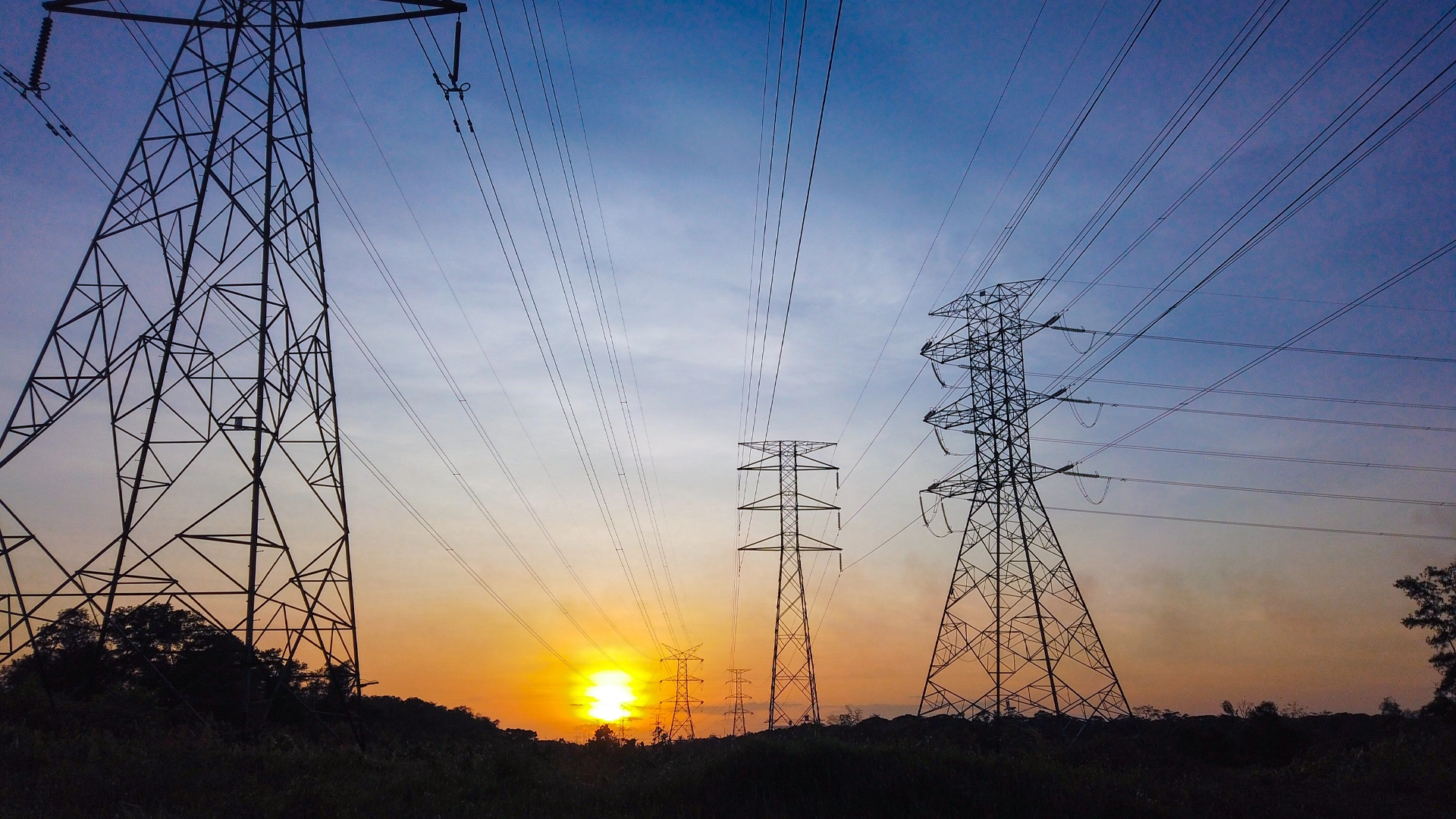
It’s no secret that Australia’s energy sector is changing, but one thing remains constant: the industry still needs reliable, efficient infrastructure to keep operations running while meeting increasingly ambitious environmental targets.
For decades, coal, oil and gas have powered Australian energy and industry, and they’ll continue to play an important role in our energy mix for years to come. The challenge is no longer simply producing energy. It is producing it more responsibly, more efficiently and with lower emissions.
Responsible engineering has never been about following industry trends. It’s always been about improving operational, environmental and commercial outcomes by finding better ways to design, fabricate and commission equipment. Long before the energy transition became a national priority, our projects were already focused on reducing greenhouse emissions, recovering valuable resources, improving safety and extending the life of critical assets through better engineering.
Better engineering delivers better outcomes
Responsible engineering is about making smarter decisions throughout the lifecycle of every project. Good engineering balances performance, reliability and long-term value, while considering safety, environmental and operational risks from the earliest stages of design.
The energy transition simply raises the standard. Dedicated resources engineering should reduce emissions, minimise waste, improve safety, extend asset life and maximise the value of existing infrastructure before asking more of the environment. Sustainability in Design brings these considerations into the design workflow early, when there is greater opportunity to influence the outcome.
Responsible design also means getting more decisions right early. Clear engineering assumptions, well-managed interfaces and disciplined change control can reduce unnecessary rework, material use and project inefficiency.
Engineering out emissions
Reducing emissions has been part of our responsible engineering core value for many years. The focus has always been on designing practical systems that reduce environmental impact without compromising the safety, reliability or productivity of an operating site.
This capability has been demonstrated across both resources and waste infrastructure solutions. Custom gas management systems have been engineered to capture, process and manage emissions while maintaining mine operability, including modular, skid-based facilities with automation, remote monitoring and relocatable equipment. These solutions have helped clients achieve significant greenhouse gas reductions while improving oversight, reducing field requirements and supporting ongoing production.
More recently, the same engineering principles have been applied to large-scale landfill biogas projects. Purpose-built flare systems have been designed and fabricated to safely manage fugitive emissions, meet strict gas compliance requirements and support future site development, including planned energy generation infrastructure.
Where gas can be captured, the engineering challenge is also to determine the most responsible pathway for managing it. That can include recovering gas for beneficial use, integrating it into existing infrastructure or providing controlled flaring where reuse is not available. Reliable monitoring and controls are critical throughout, giving operators greater visibility over emissions and asset performance.
Across these projects, technology and operating environments may differ, but the approach remains consistent: understand the source of emissions, design for the specific site and deliver an integrated solution from engineering and fabrication through to commissioning. This enables energy projects to achieve measurable emissions reductions while protecting asset performance and long-term operational value.
Designing for safety, reliability and performance
Safety and reliability have always been fundamental to good engineering and design.
A custom-designed water treatment trailer has at last count in 2024 and still operating, enabled the reuse of more than 53 million litres of water, eliminated around 2,300 truck movements, recovered 762 tonnes of solids and reduced operating costs by approximately $500,000 per month. Fewer truck movements also improved safety for project teams and surrounding communities.
These are the outcomes of engineering that considers the whole operating environment, not just the equipment itself. Better design can improve resource recovery, reduce waste and transport requirements, strengthen safety and lower operating costs at the same time.
Smarter engineering, infrastructure that can evolve
It is our belief that responsible engineering means looking beyond today’s project requirements. Infrastructure should perform reliably today while remaining adaptable as technology, operating requirements and emissions targets continue to evolve.
That can mean designing with modularity, spare capacity and future scalability in mind, but it can also mean identifying opportunities to reuse or repurpose suitable existing infrastructure rather than automatically replacing it. Extending the useful life of assets can reduce unnecessary new material use, avoid infrastructure duplication and help clients achieve more from existing investment.
This is where a custom EPC approach delivers real value. By integrating engineering, design, fabrication and commissioning, equipment can be purpose-built around the operating environment while allowing for future upgrades, changing gas pathways and evolving technology.
Everyday technology is also strengthening engineering expertise. Real-time monitoring, predictive maintenance, automation and digital modelling help engineers improve equipment reliability, reduce emissions and extend asset life. Combined with decades of operational experience, these insights continue to deliver measurable improvements at every iteration.
Engineering for what’s next
The value of early engineering involvement is best demonstrated through the outcomes it delivers. Responsible solutions begin with highly functional design, where operational, environmental and commercial objectives are considered from the outset. By understanding site conditions from the pilot phase, engineering teams can maximise production from existing assets before expanding into new areas, reducing unnecessary disturbance while preparing sites for future growth.
As the energy transition progresses and emissions targets draw closer, engineering will play an increasingly important role in helping operators assess new technologies, model future requirements and identify practical pathways to reduce emissions without compromising operational performance. That includes designing equipment that makes better use of resources, extends asset life and remains adaptable as technologies continue to evolve.
Our engineering philosophy remains unchanged: understand the challenge, work collaboratively with our clients, design the right solution and continually improve the outcome.
Responsible engineering is not about reacting to change. It is about applying decades of practical experience to deliver solutions that perform today, support tomorrow’s energy system and create lasting value for our clients, their operations and the environment.
Get in touch with CS Gas today to engineer your responsible energy and resources solutions.